
The machine still earns its keep. The maker is long gone, or the part is obsolete, or the lead time is twelve weeks. Every factory hits this moment eventually. Here is how we think it through, because we have the same conversation most weeks.
First question: can it actually be bought?
Obsolete is a slippery word. Plenty of parts written off as unobtainable are standard components wearing another company’s label: a bearing, a gearbox, a pneumatic cylinder with a badge on it. Before anyone machines anything, we check the part against our trade network of 2,900+ brands. That takes minutes, and when it works it is the cheapest answer by far.
Second question: where did it actually fail?
Look at what is worn. A shaft that has picked up in one bearing position, a thread that has stripped, a keyway gone sloppy: these are repairs, not replacements. Building a surface back up and machining it true costs a fraction of a new component and often comes back stronger than it left the factory. This is the bread and butter of our repair and reverse engineering service.
Third question: what does the downtime cost?
This is the number that decides most cases. If the line loses money every hour, a remade part in days beats an original part in months, every time. When a local bakery lost its mixing plant to fire damage, the question was never whether refurbishment was cheaper than replacement. It was that replacement meant months without production, and refurbishment did not.
Remaking a part nobody sells
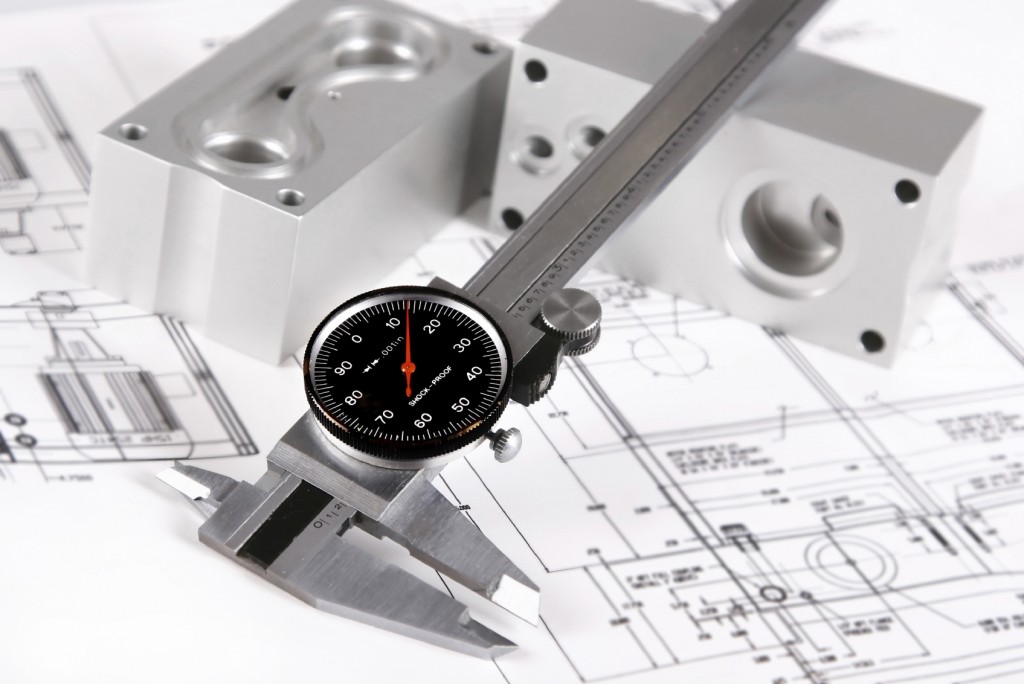
When the part truly cannot be bought and cannot be saved, we measure what remains and make it new. A drawing helps but is not required: most of the obsolete work through our machine shop starts from the broken halves and a conversation about how it failed. Where the original design caused the failure, we change it. A bigger radius in a corner that kept cracking, a better material, a bronze bush where there was none. The replacement should outlive the original, not copy its faults.
We do this most often for diecasting machines, conveyors, packaging lines and presses, but the logic is the same for anything made of metal that matters.
And then: keep a spare
Once the machine is set up and the part is proven, a second one costs far less than the first. It is the cheapest downtime insurance a factory can buy, and the customers who sleep best are the ones with the spare on the shelf.
Stuck with a part nobody will quote? Send photos and rough sizes to sales@pegasus.gb.net or ring 0121 544 7788. We will tell you honestly which of the three answers fits: repair, remake or replace.
